Symptom, diagnosis, the exact paper the customer saw, and how it ended. Six worked cases from around our map — the pricing structure doing its job on actual broken machines.
Diagnostic + labor inside every from-price•Parts always a separate written line•$94 honest walk-away after diagnosis•Mon–Fri routes from East Bremerton
The collection
Six From the Field
A note on honesty, since this whole site runs on it: these write-ups are drawn from the recurring patterns of this trade — the calls that repeat, in one form or another, week after week across central Kitsap. Details are rounded and locations kept deliberately vague; nobody's address or business is anyone else's reading material. The machines, the faults, the numbers and the logic are the real thing.
Every case turns on a reading — airflow, resistance, a watched cycle. Parts get convicted by meters, not by hunches or by what's profitable.
The paper tells all
Each write-up shows the actual quote structure: from-price, parts line (or none), total. What you'd see at your own kitchen table.
Cheap answers survive
Two of the six closed with light parts lines and one with none at all. A structure where labor is pre-covered lets small answers stay small.
Second visits included
The ordered-part case shows the rule in action: return trip, zero extra labor, invoice matching the signed quote to the dollar.
Our technicians
The Hands Behind the Callback
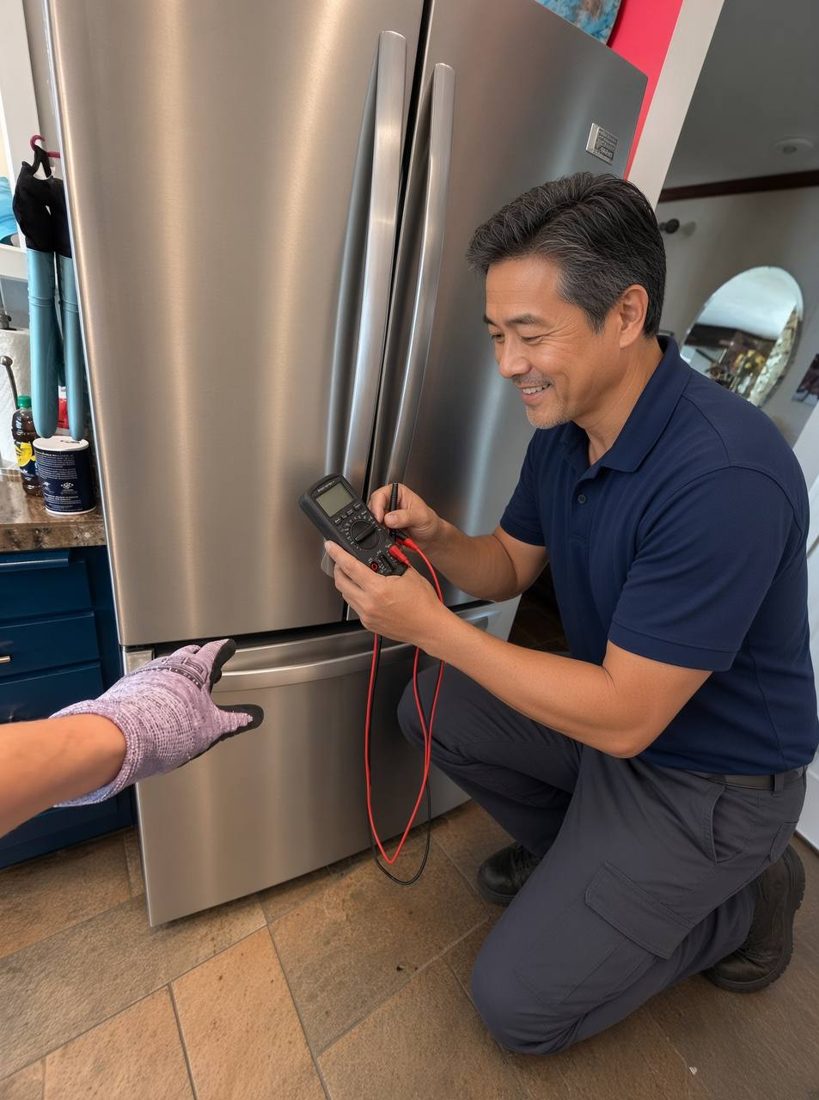
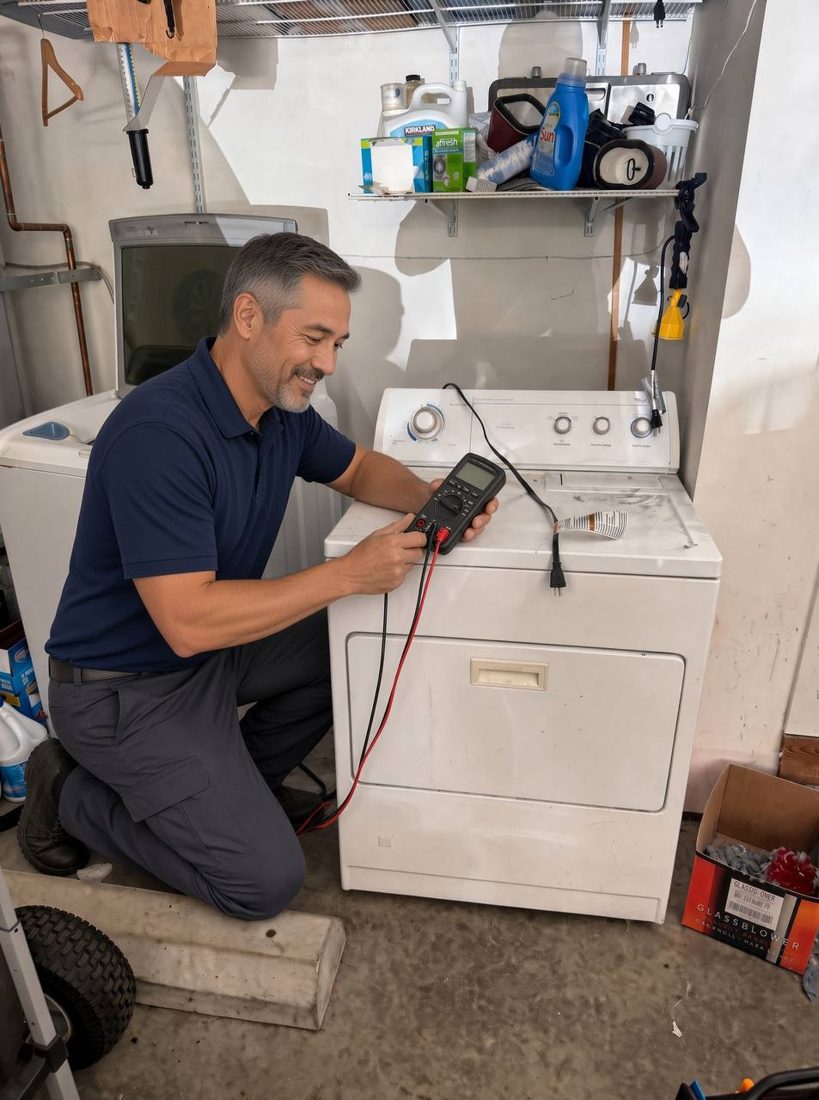
Meters first, opinions second. Two frames of the crew doing what the from-price actually pays for — measured diagnosis at the machine.
Refrigerator call — compressor circuit readings before any part gets named.Garage-laundry dryer, meter on the heater circuit — the classic central Kitsap house call.
From the routes
Snapshots Between Callbacks
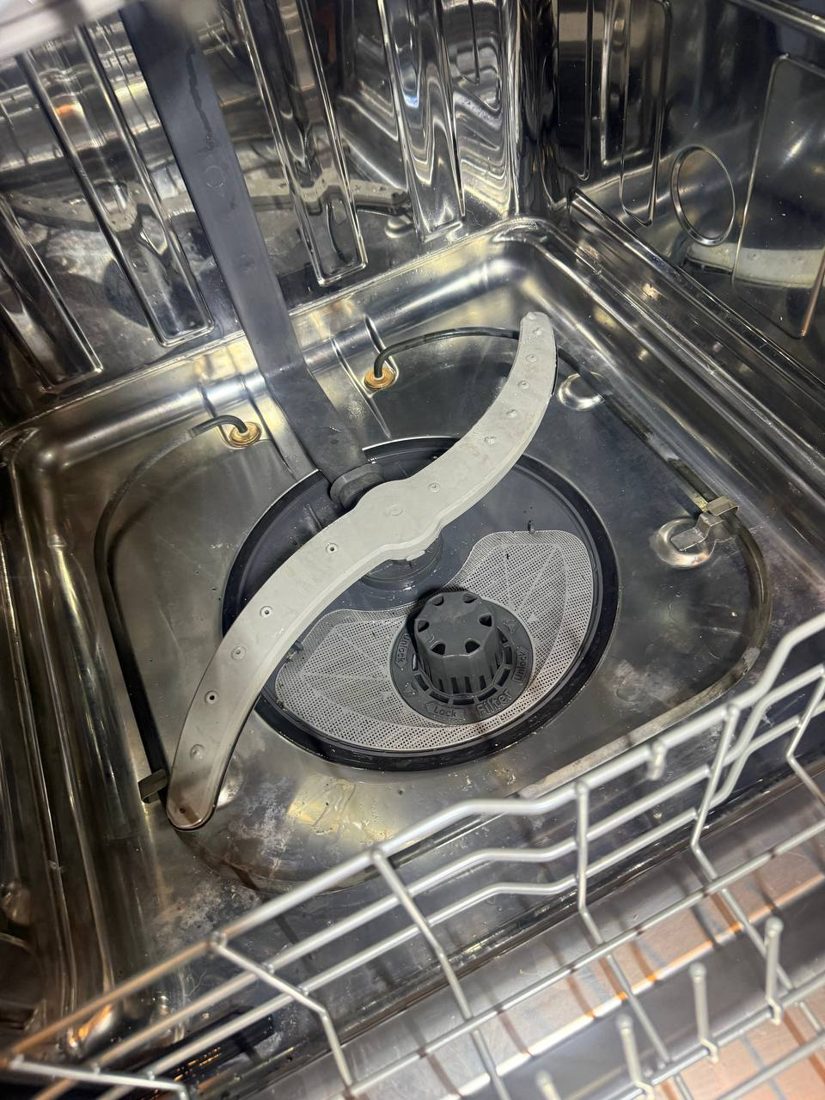
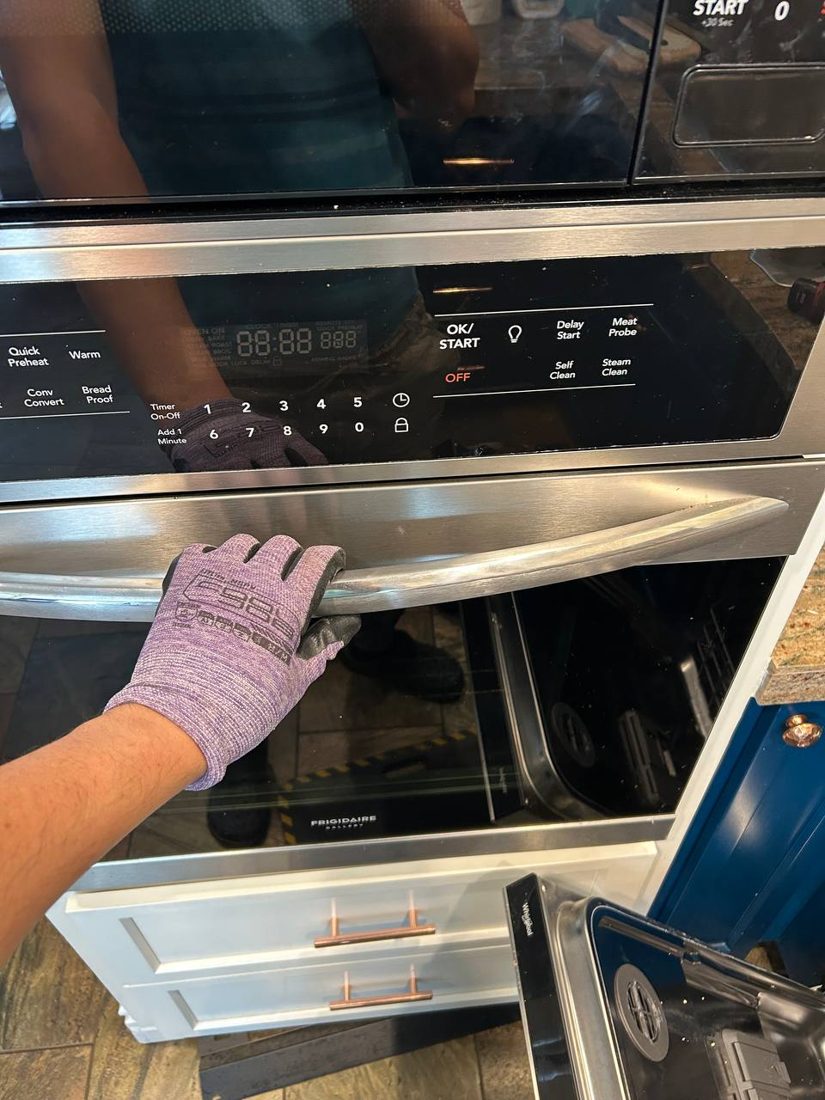
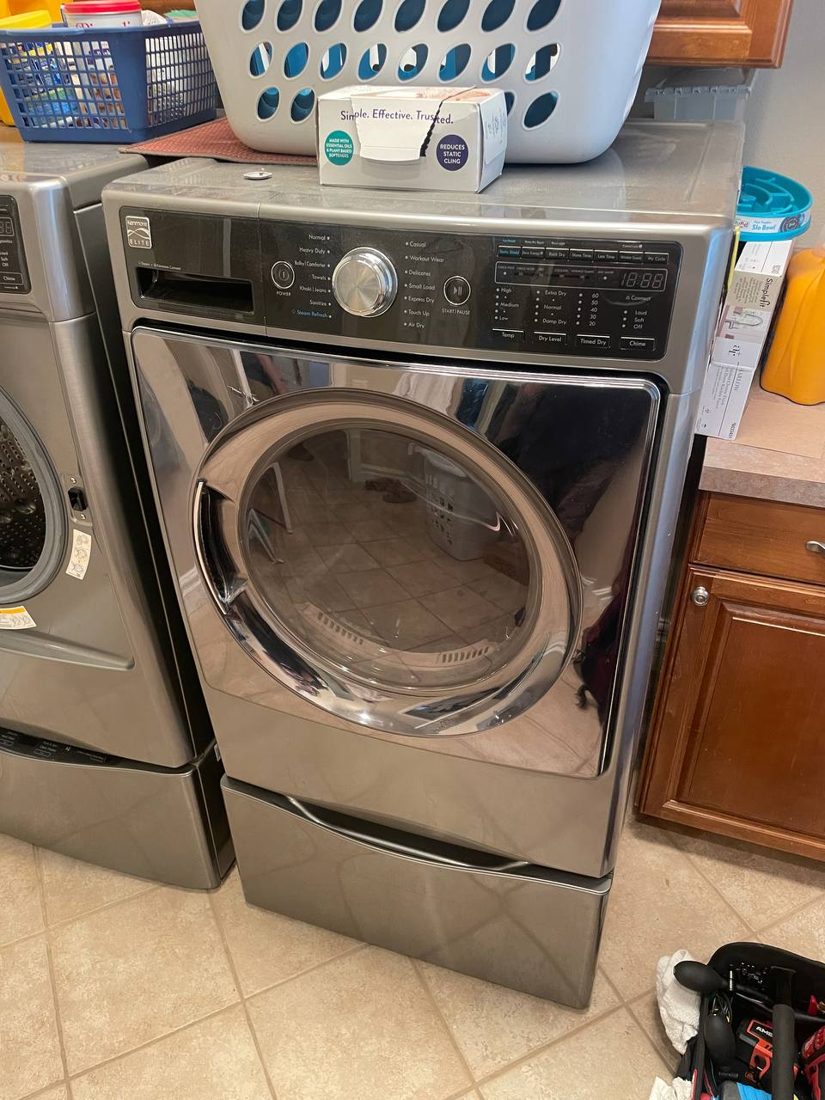
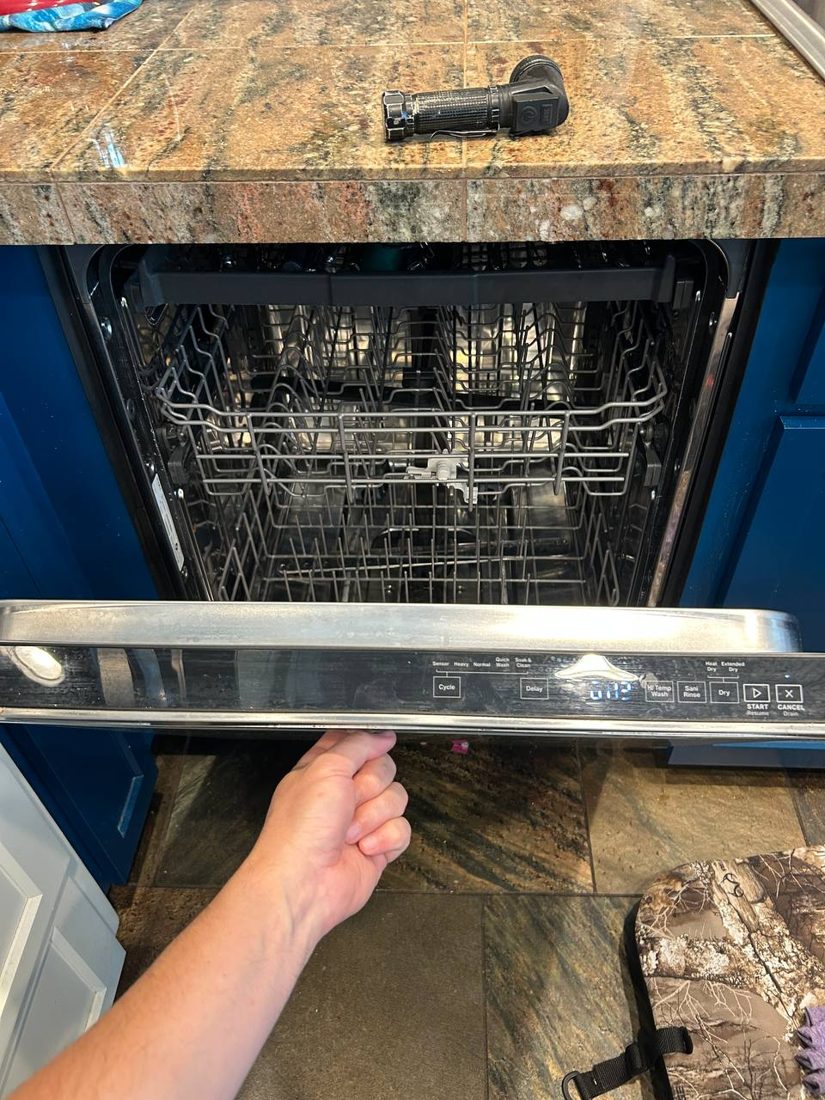
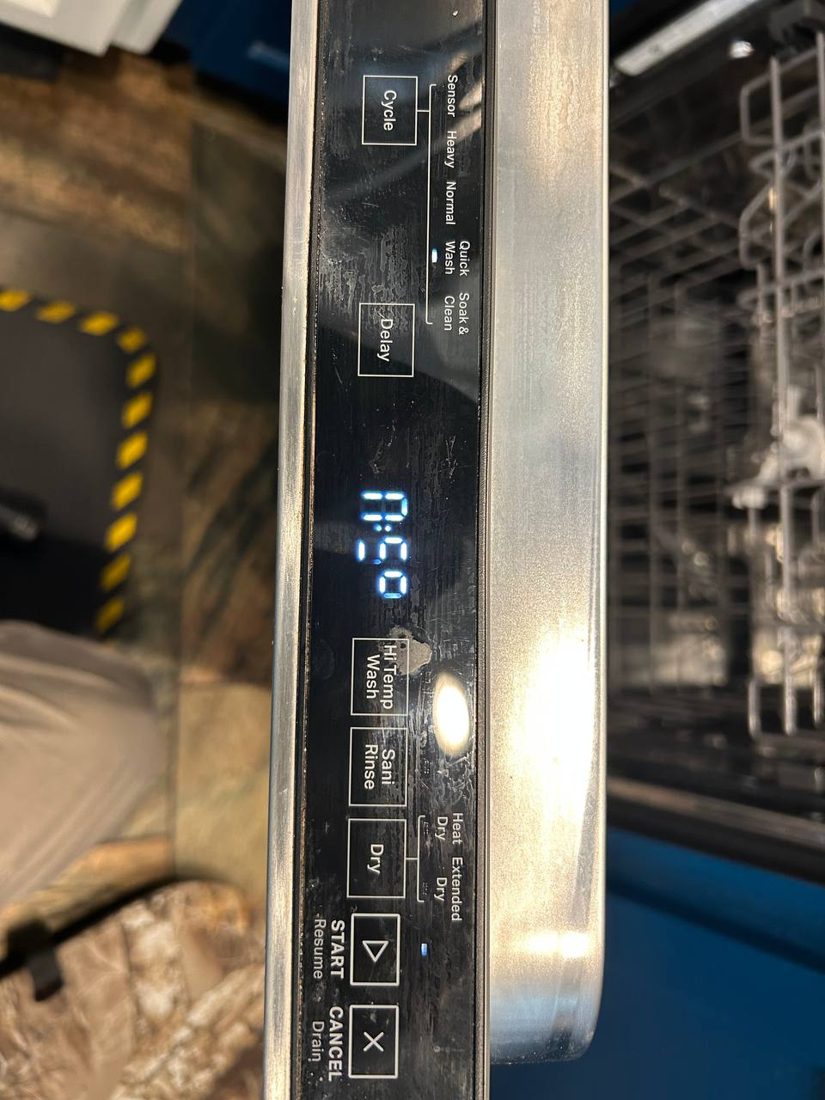
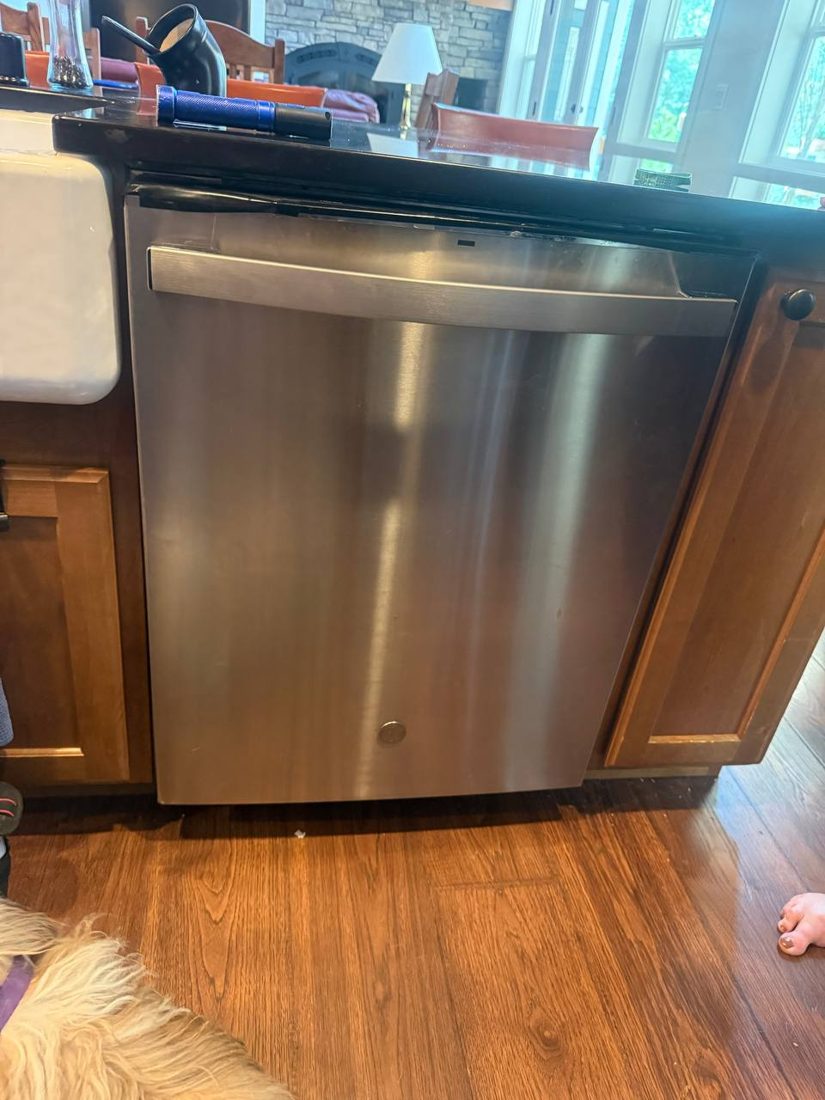
Inside a built-in unit — spray arm off, filter out, checking what the owner never sees.Wall oven controls going through their paces — locked panels are a monthly classic.Pedestal laundry pair waiting its turn — tight quarters, standard work.Door, latch and rack inspection on a kitchen built-in.Panel readout mid-diagnostic — the machine tells its side of the story.A Port Orchard kitchen stop — stainless front, tile floor, dog supervising off-frame.
Your machine could be case seven.
We won't write it up without asking — but we'll fix it the same way: measured, itemized, on paper.