✓ From $244 · diagnostic + labor together✓ Parts itemized separately, never blended in✓ Walk away with the finding for $94
Diagnostic + labor inside every from-price•Parts always a separate written line•$94 honest walk-away after diagnosis•Mon–Fri routes from East Bremerton
Sound familiar?
What Owners Tell Us on the Phone
Won't let the water go
Drain filter, pump, or something a pocket donated. The most common washer call we run.
Drum on strike
Fills and hums but won't turn — belt, coupler or motor side, sorted with a meter.
Sneaky leaks
A puddle that comes and goes. We chase it with panels off, not by guessing from the floor.
Hostage laundry
Door locked shut with clothes inside. Usually the drain's fault, not the lock's.
Earthquake spin
Dampers and suspension wear out; the drum bearing pays the price if you wait.
Alphabet soup codes
OE, F21, SUD and friends — a starting shelf for diagnosis, never the whole answer.
Half the washing machines in this city live in spaces that were never designed for them — basements reached by stairs a laundry basket barely clears, closets in Charleston apartments, garage corners where the floor slopes just enough to matter. The machines themselves range from grandmother-era top-loaders that refuse to die to sensor-laden front-loaders in the newer plats off Riddell and up toward Silverdale. A washer outfit here needs parts and patience for the whole spread, and we stock for exactly that.
The pricing follows the same clean split as everything we do: $244 handles the detective work and every hour of repair labor after it, whatever the verdict turns out to be. Parts are never folded into that number. If your drain pump died, you'll see the pump on the quote with its real price beside it; if the 'dead pump' was actually a toddler sock in the impeller, there is no parts line and the from-price stands alone. That structure means our diagnosis has nothing to gain from finding the expensive version of your problem.
Water tells on itself around here, and we listen. Households toward Manchester and the county's edges pull from wells that scale inlet valves and clog screens; in-town homes near the shipyard sometimes push grit from aging supply lines into the same screens from the other direction. Slow fills and phantom level errors follow both. It's the kind of detail that separates a technician who works these ZIP codes weekly from a flowchart printed in another state.
Washer repairs start at $244, diagnosis and labor included. Pumps, lock assemblies, valves and belts form the everyday parts lines and stay reasonable; suspension sets and electronics run higher — always as named, written lines you approve before they're installed.
The longer answers
Down the Rabbit Hole, Carefully
The locked-door rescue, done right
A front-loader holding your laundry hostage is almost always protecting you from its own standing water — most designs refuse to release with the drum wet. Prying the door is how handles die and gaskets tear. We drain through the service port, open the lock the way the engineers intended, and then diagnose the actual culprit: filter, pump, or occasionally the lock itself. Three different parts lines; one calm procedure.
Top-loaders: the case for keeping them
Bremerton's stock of veteran top-loaders is a quiet local treasure. Direct-drive Whirlpools and their Kenmore twins fail in cheap, well-documented ways — couplers, pumps, lid switches — and a from-price repair with a small parts line routinely buys another half-decade. We'll tell you honestly when a machine is past saving, but with this generation, that verdict is rarer than the internet suggests.
Front-loaders: bearings, boots and honest math
The failure that matters on front-loaders is the drum bearing, and the honest answer depends on the design: serviceable bearings justify the work; bearings sealed inside a one-piece outer tub often don't, because the 'part' is half the washer. Ten minutes inside the cabinet tells us which design you drew in that lottery, and when the arithmetic votes against repair, your $94 bought exactly the right escape.
Stacked pairs and shipyard schedules
Apartments and condos from Callow to Sheridan Park stack their laundry in closets with inches to spare, and their owners often work shifts that make 'sometime Tuesday' useless. Two habits help: tell us it's a stacked unit when you book — the right dolly and a second plan come along — and name the shift you work. Our first and last windows of the day exist substantially for shipyard schedules.
Suds, softener, and repairs you can cancel yourself
A regular slice of the leak-and-smell calendar closes with coaching rather than components: modern detergent is concentrated far beyond what most people pour, oversudsing forces water where it doesn't belong, and a closed damp drum in this climate grows what you'd expect. Half-dose the soap, leave the door cracked, run a monthly hot maintenance cycle. When the visit ends with that speech instead of a repair, you pay $94 and we part friends.
Quick ones
Fair Questions
How much is washer repair around Bremerton?
From $244 including diagnosis and all labor; parts are itemized separately in writing. A declined repair closes at $94 with the finding documented.
Do you service stacked and compact units?
Constantly — they're half the housing stock near the shipyard. Mention the setup at booking so the visit is planned for the space.
Should I keep running a washer that leaks a little?
No — under these floors, slow water finds crawl spaces and stays invisible until the bill has a comma in it. Valves off, machine idle, visit booked.
Will you install a part I bought online?
We install what we supply, because the invoice warranties part and labor together. A mystery-provenance part splits that warranty down the middle, so we pass — politely but firmly.
Code HOP20 — say it on the phone or let the form carry it for you.
Comes off the repair itself, not the $94 visit-only outcome. One per visit; doesn't stack with other offers. No expiration games — it's just the standing deal.
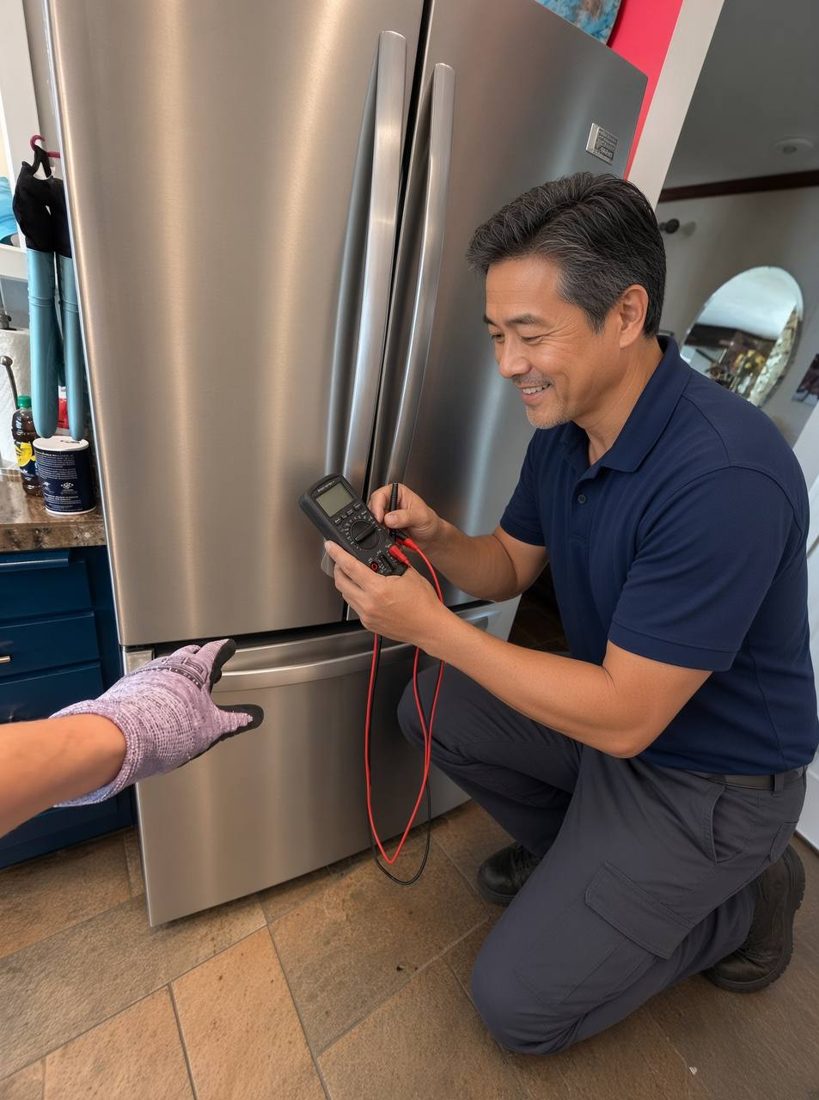
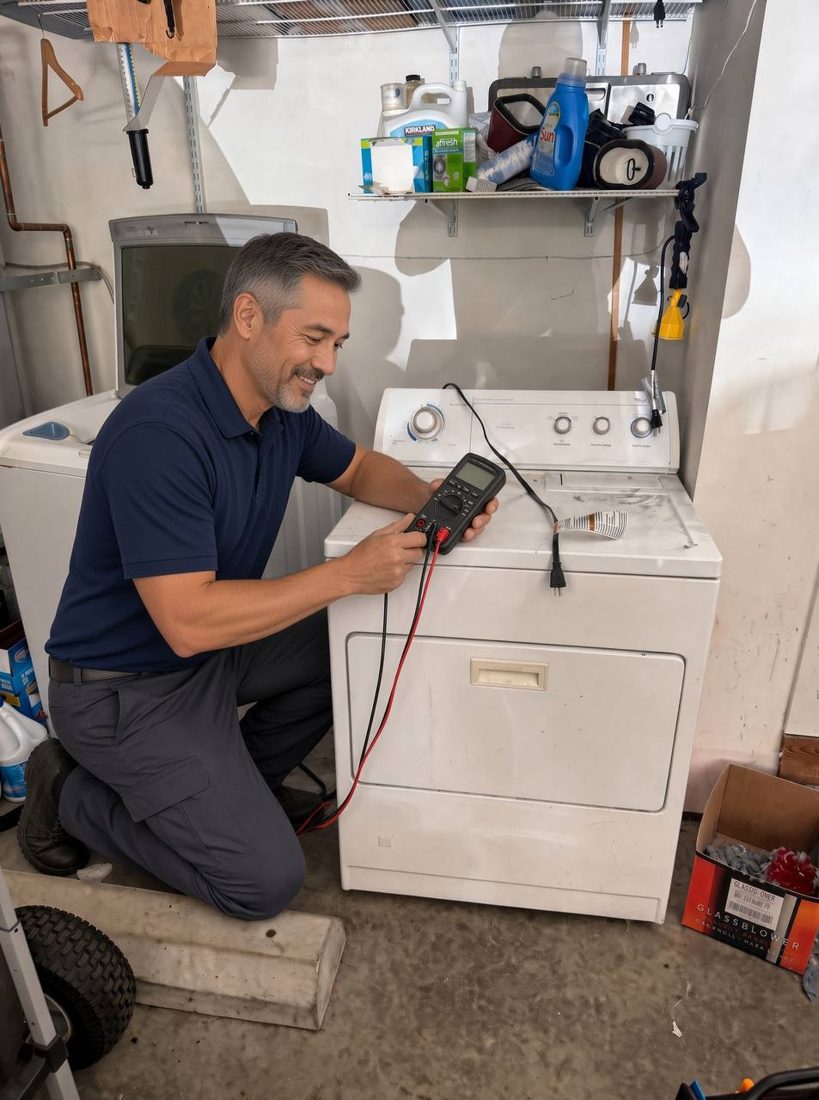
Meters first, opinions second. Two frames of the crew doing what the from-price actually pays for — measured diagnosis at the machine.
Refrigerator call — compressor circuit readings before any part gets named.Garage-laundry dryer, meter on the heater circuit — the classic central Kitsap house call.
From the routes
Snapshots Between Callbacks
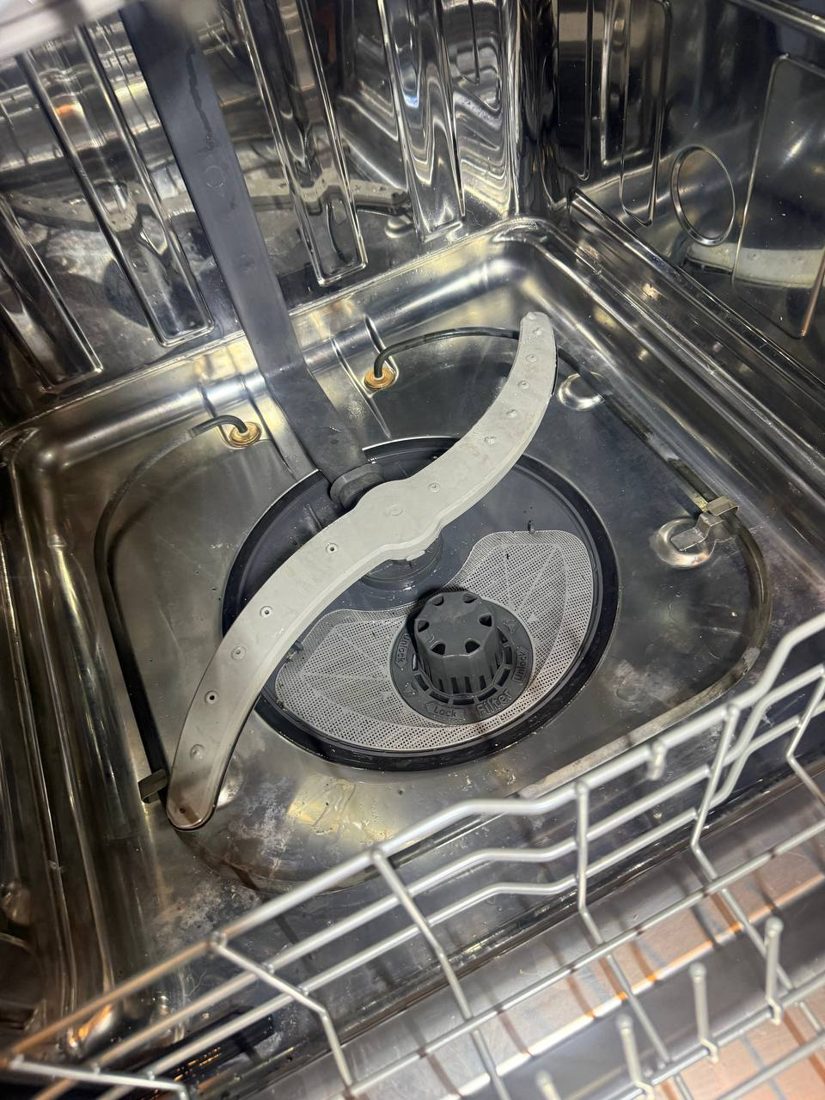
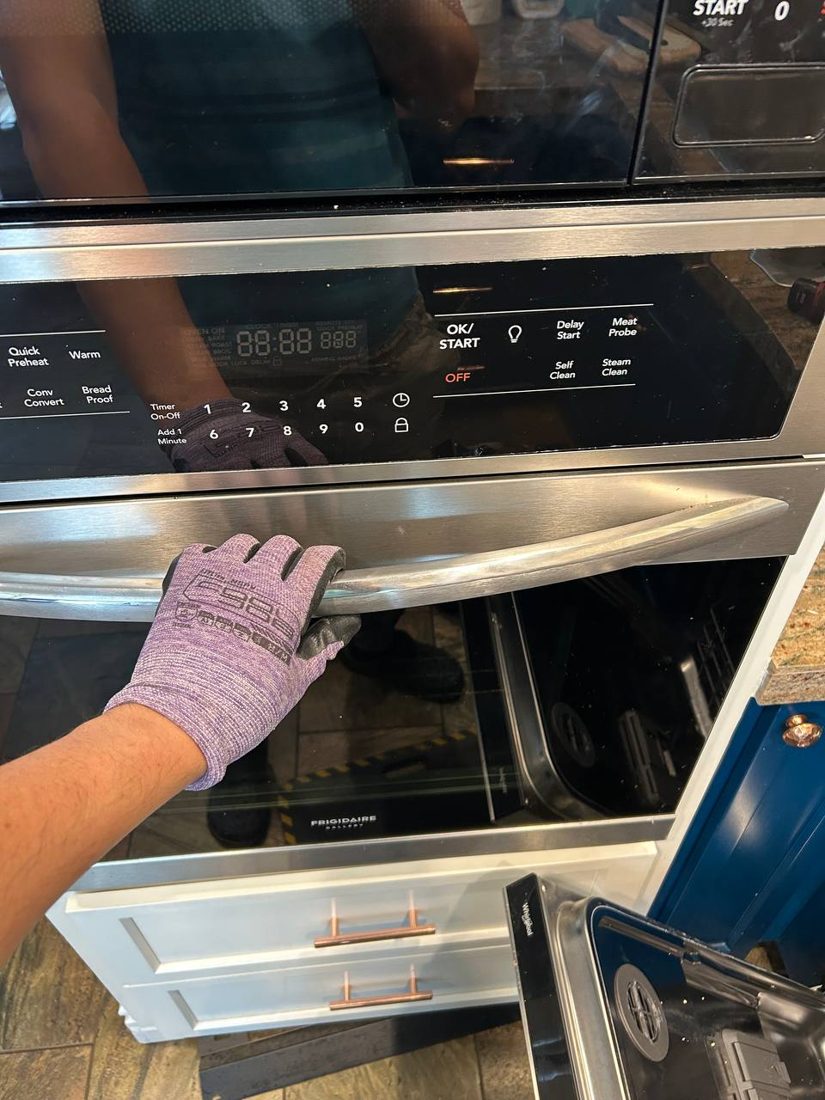
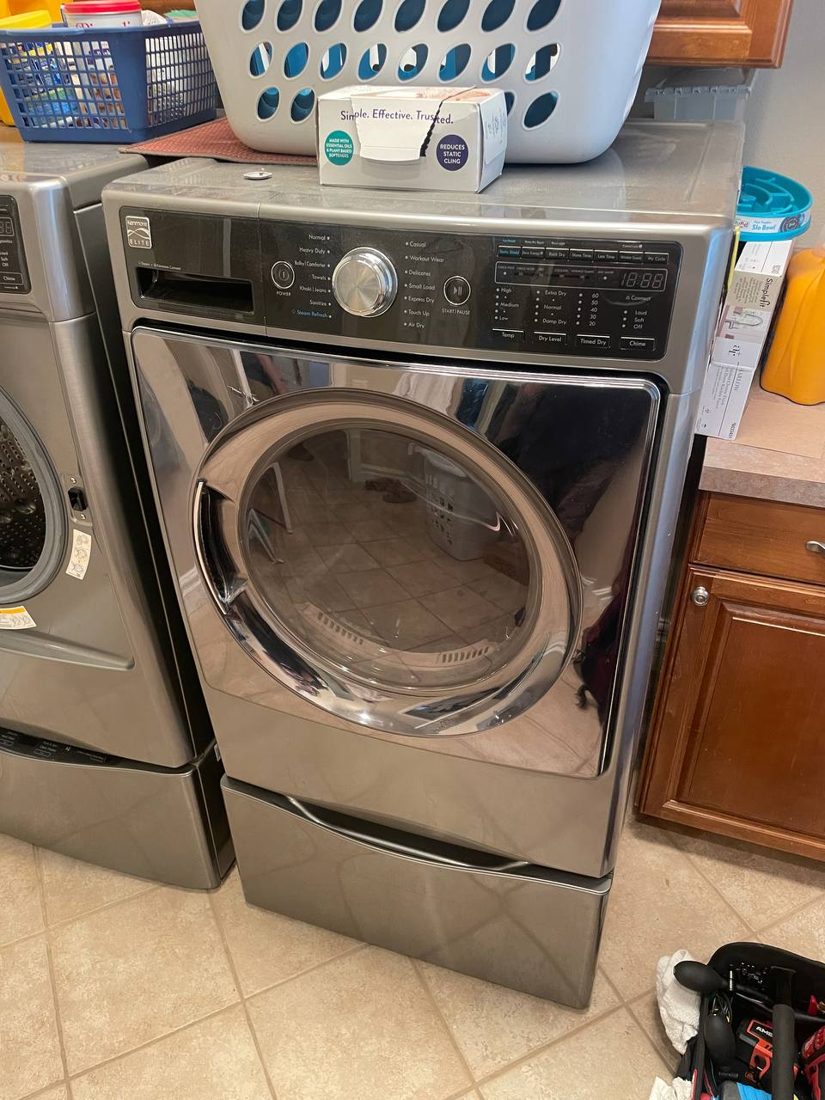
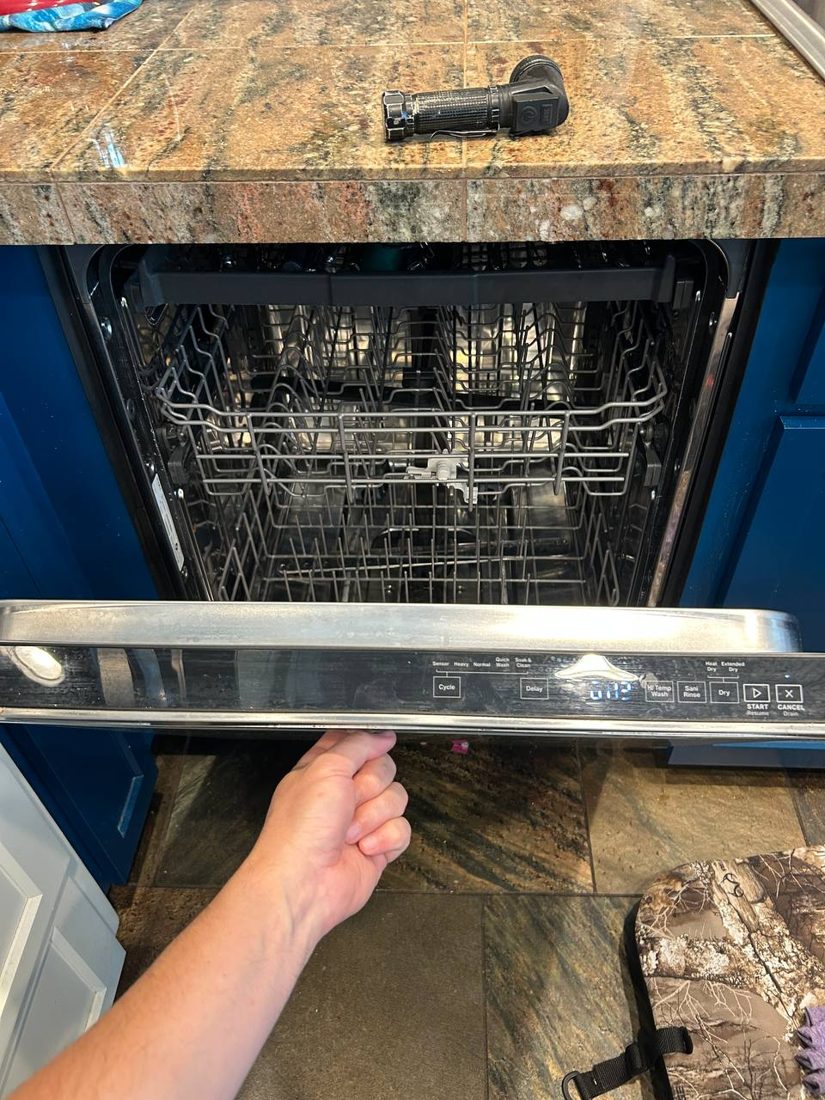
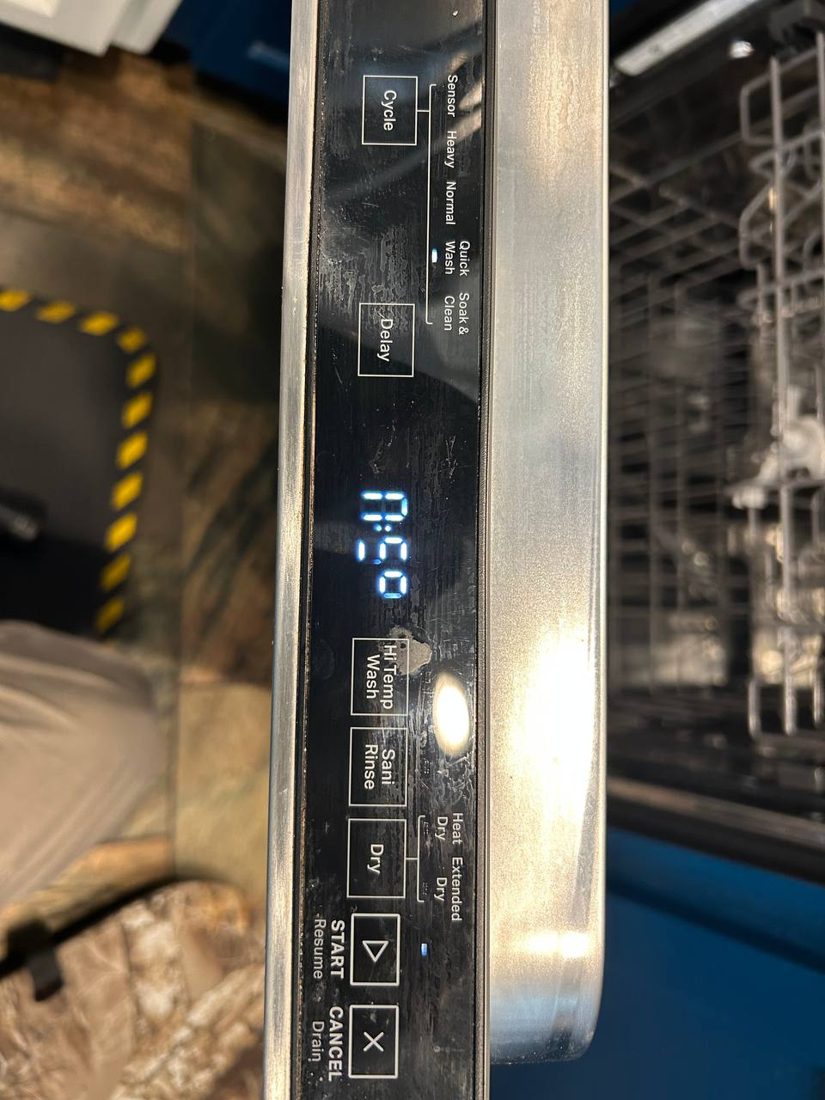
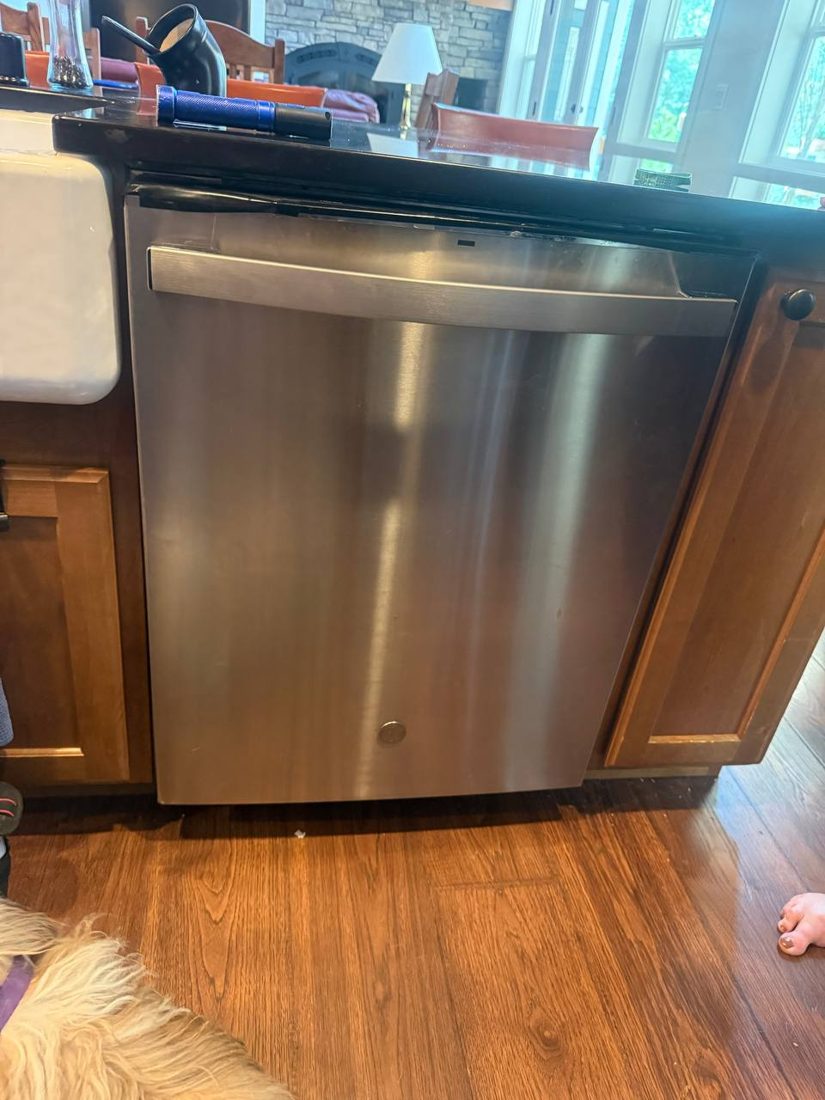
Inside a built-in unit — spray arm off, filter out, checking what the owner never sees.Wall oven controls going through their paces — locked panels are a monthly classic.Pedestal laundry pair waiting its turn — tight quarters, standard work.Door, latch and rack inspection on a kitchen built-in.Panel readout mid-diagnostic — the machine tells its side of the story.A Port Orchard kitchen stop — stainless front, tile floor, dog supervising off-frame.
Book a washer repair visit
From-price confirmed before anything lands on the calendar, and code HOP20 takes $20 off the completed repair.