✓ From $226 · diagnostic + labor together✓ Parts itemized separately, never blended in✓ Walk away with the finding for $94
Diagnostic + labor inside every from-price•Parts always a separate written line•$94 honest walk-away after diagnosis•Mon–Fri routes from East Bremerton
Sound familiar?
What Owners Tell Us on the Phone
Spins cold
Drum turns, clothes tumble, nothing warms up — heat source or its safety chain.
Second-cycle habit
Every load needs a rerun. Nine times out of ten that's airflow, not the machine.
Squeal or grind
Rollers and idler bearings announce themselves early. Cheap while they're squeaking.
Dead as a doornail
No lights, no tumble. Thermal fuse, door switch — or the outlet behind the machine.
Quits mid-load
Overheat protection stepping in. The fuse is the messenger; the cause is the repair.
Hot smell
Lint meeting heat where it shouldn't. Stop the machine and call — this one doesn't wait.
A dryer earns its keep harder in Bremerton than almost anywhere. Laundry comes off the line damp eight months a year — because there is no line weather — and the machine runs daily in basements and garages that hold moisture like a sponge. So when a Kitsap dryer weakens, the wear points are predictable: heating elements and igniters, thermal fuses, cycling thermostats, drum rollers, belts, and above all the exhaust duct, where wet-climate lint packs into something closer to felt than fluff.
The $226 figure buys the entire chase and the wrench time that follows it — drive, meter readings, the airflow measurement that comes before any accusations, and the labor of the actual fix once the culprit is cornered. If the machine needs a component, that component appears on the quote as its own line — the part's name and its actual price — and nothing gets installed until you've said yes to that line. A dryer cured by a cleared duct and a reseated connector closes at the from-price flat.
One Bremerton-specific habit of ours: on older homes — and this city has the county's richest supply of them — we test the receptacle and cord before condemning the appliance. A 240-volt outlet that's been feeding dryers since the shipyard's busiest decades can cook its own terminals, and the symptoms imitate a dead machine perfectly. When the wall is the patient, the written finding says so, and you call an electrician instead of buying a dryer part you never needed.
Dryer work starts at $226 with diagnosis and labor inside the number. Common parts lines run modest — thermal fuses and thermostats in the tens of dollars, elements and igniters somewhat more — and every one is priced in writing before installation. No part needed? The from-price is the whole bill.
The longer answers
Down the Rabbit Hole, Carefully
Electric and gas, both fuels welcome
Electric machines rule Kitsap laundry rooms, and their weak spots are elements, fuses and thermostats. The gas minority breaks differently — igniter, flame sensor, the coil pack on the valve — with parts that run a touch dearer, though the from-price for finding and fixing never moves. We carry the frequent components for both, which is why most dryer calls between Manette and Silverdale close in a single visit.
The airflow reading that saves customers money
Before any part is named, we measure what the exhaust is actually moving. An outsized share of lost-heat complaints turn out to be healthy dryers being strangled: exhaust with nowhere to go, so the safety thermostat keeps yanking power from an element that never did anything wrong. When that's the story, the fix is clearing the run, the parts line is empty, and your bill is the from-price. We'd rather earn the small ticket honestly than sell the big one twice.
Sensor dryers and their little lies
Newer machines end cycles when moisture sensors say the load is dry — and a sensor filmed over with dryer-sheet residue says 'dry' while your towels disagree. The remedy escalates sensibly: a proper cleaning first, the sensor bar second, the control board a distant third. With labor pre-paid inside the from-price, starting at the cheap end of that list costs us nothing and saves you plenty — so that's where we start, every time.
What happens when a part must be ordered
Most dryer parts ride on the van. For the exceptions — an odd element format, a discontinued-brand board — visit one produces the written quote with the parts line, and visit two installs it. The return trip costs you nothing extra: labor was covered the moment you approved the quote, and the number on that paper is the number on the invoice.
Vents, crawl spaces, and where our job ends
Clearing accessible duct runs is often the repair itself and lives inside the from-price. Long crawl-space runs, roof terminations and crushed transitions get an honest conversation — sometimes it's our extra hour, quoted in writing; sometimes it's a duct company's job, and we'll name that plainly. What we won't do is bill you for pretending a duct problem is an appliance problem.
Quick ones
Fair Questions
What does dryer repair cost in Bremerton?
$226 upward, with the diagnostic and the entire repair effort bundled inside. A needed component becomes one written line for your approval. Stopping after the verdict caps the trip at $94.
Can you check the wall outlet too?
On older homes we do it as a habit. A tired 240V receptacle imitates a broken dryer convincingly, and the finding goes in writing either way — appliance or house side.
My dryer is 25 years old — worth a look?
Often, yes. Old dryers are mechanically simple and their parts are cheap; a modest repair regularly buys years. If yours is genuinely done, the $94 finding says so and you shop with facts.
Do you clean dryer vents as a standalone service?
When the vent is the diagnosed fault, clearing accessible runs is part of the repair. As a pure maintenance visit, ask when you call — if it makes more sense to point you to a duct specialist, we will.
Code HOP20 — say it on the phone or let the form carry it for you.
Comes off the repair itself, not the $94 visit-only outcome. One per visit; doesn't stack with other offers. No expiration games — it's just the standing deal.
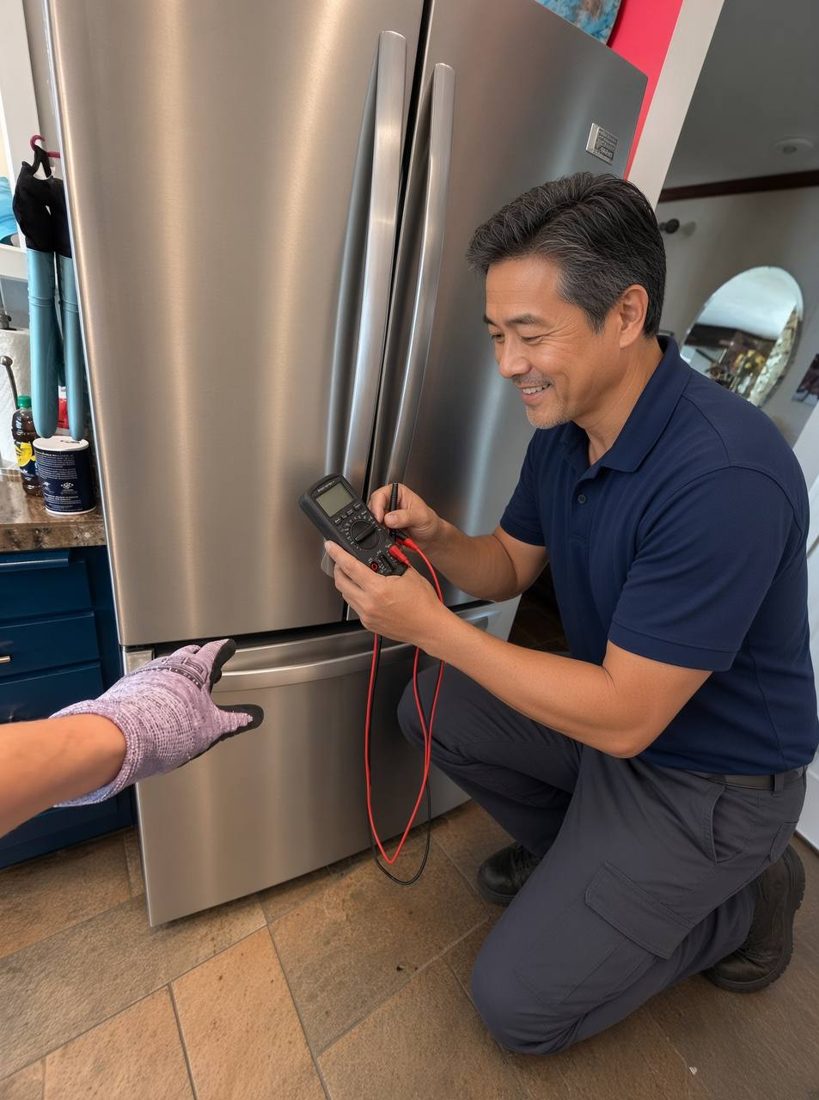
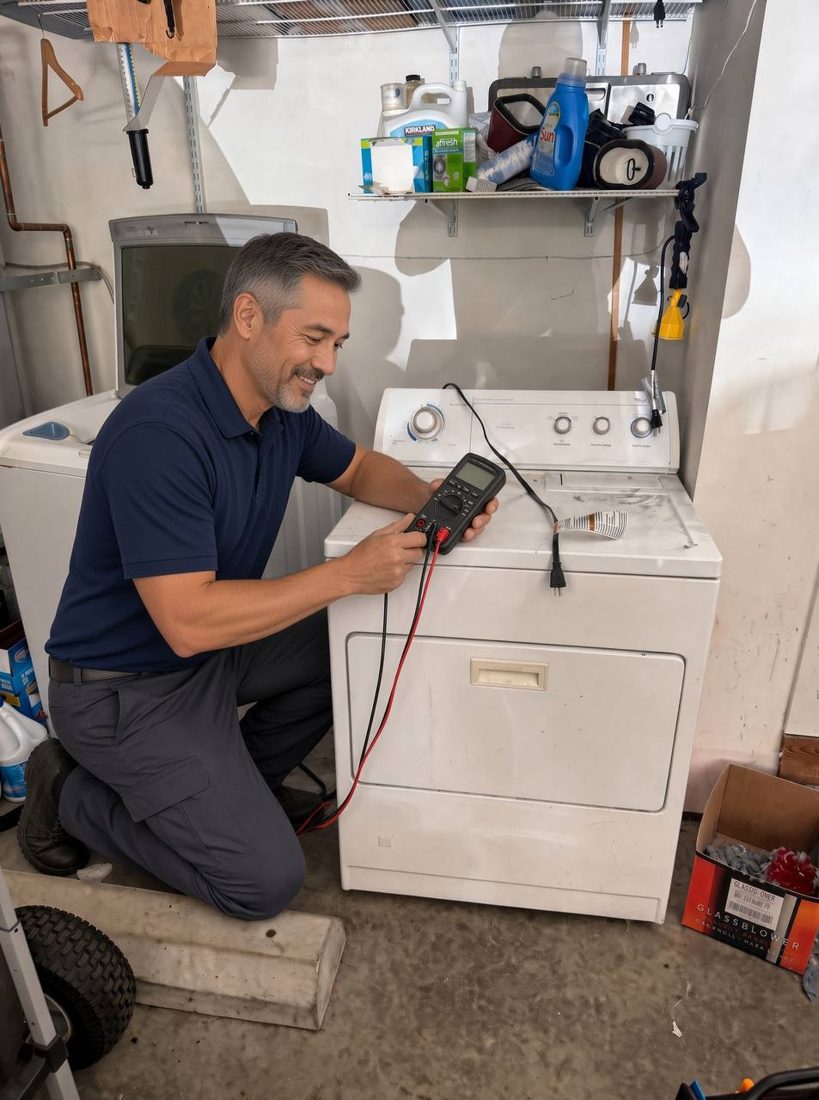
Meters first, opinions second. Two frames of the crew doing what the from-price actually pays for — measured diagnosis at the machine.
Refrigerator call — compressor circuit readings before any part gets named.Garage-laundry dryer, meter on the heater circuit — the classic central Kitsap house call.
From the routes
Snapshots Between Callbacks
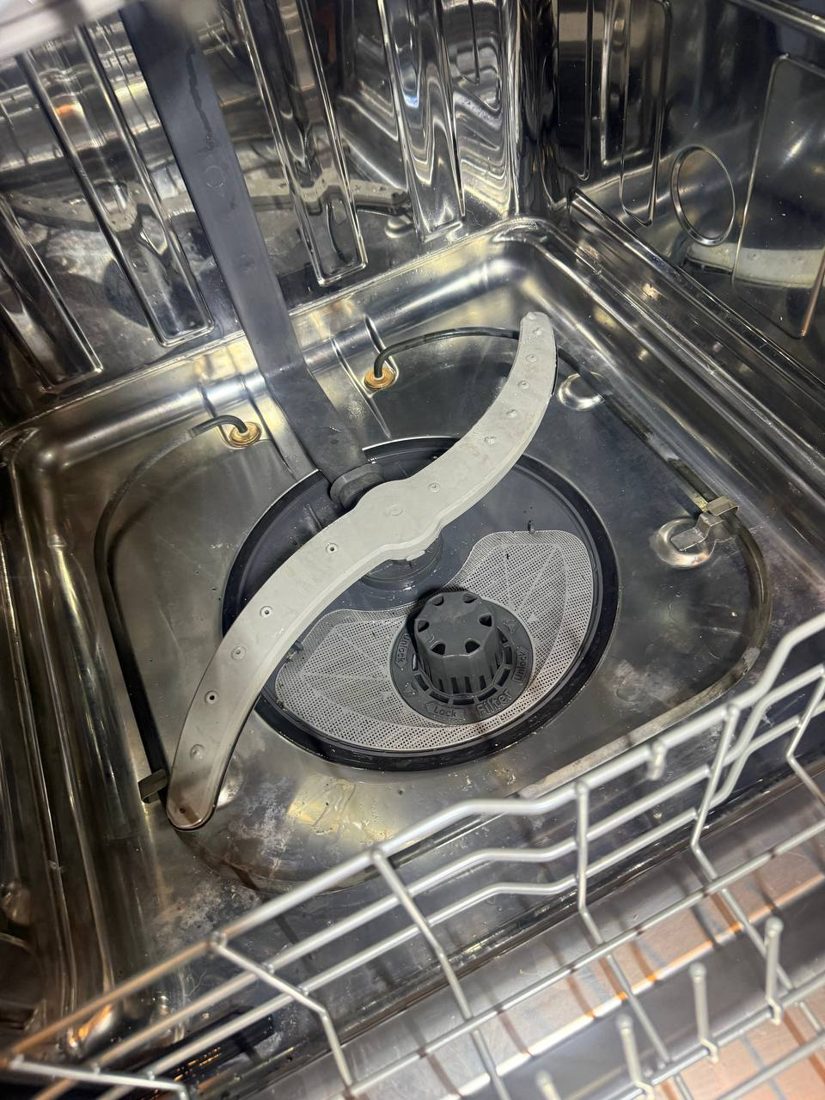
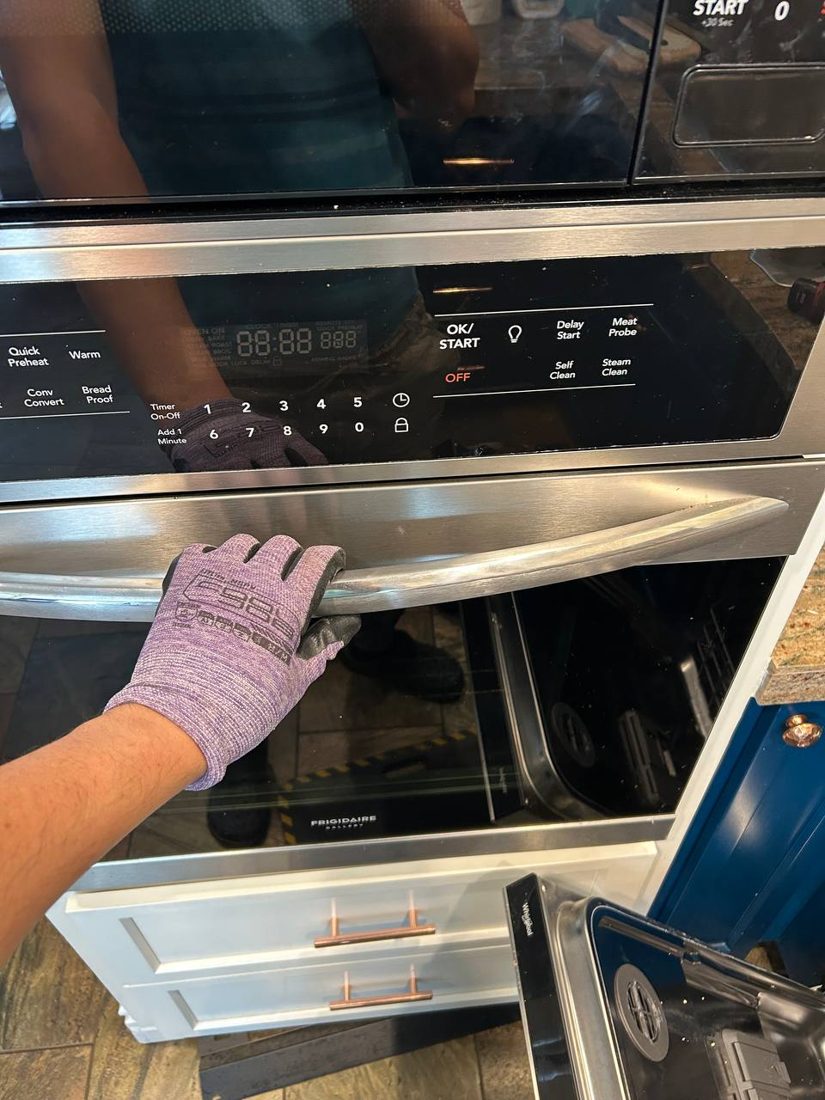
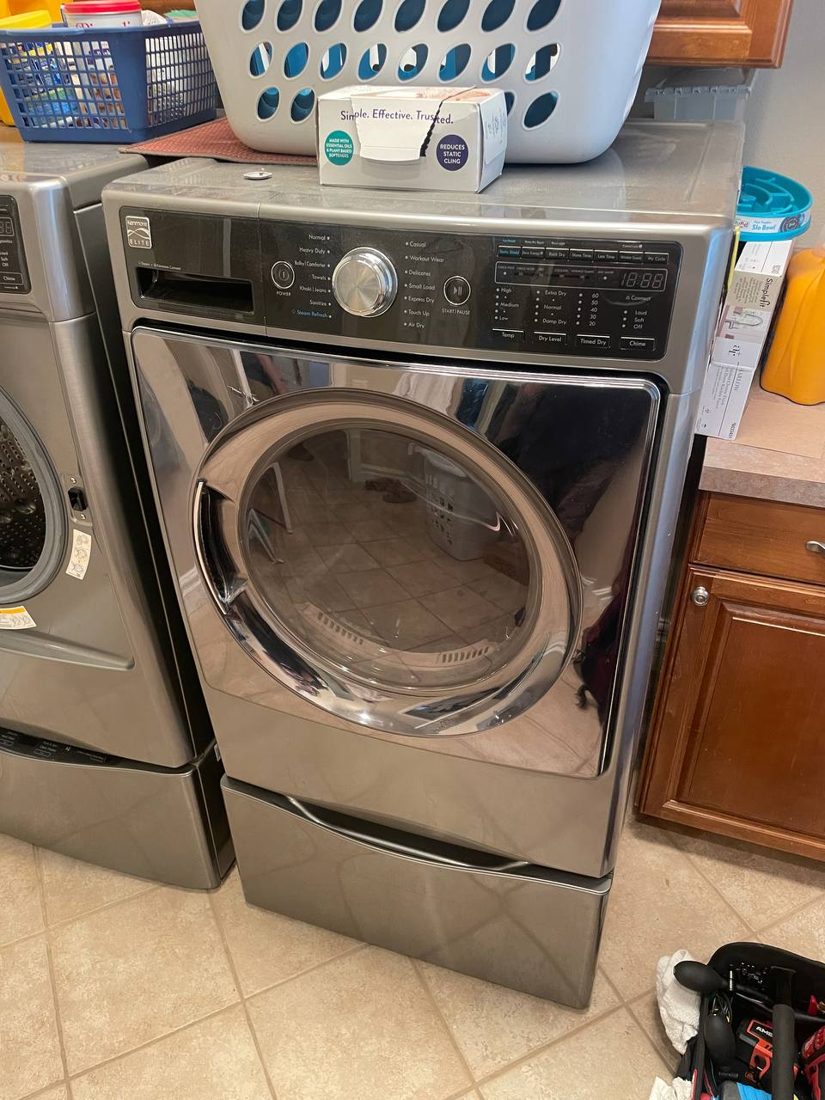
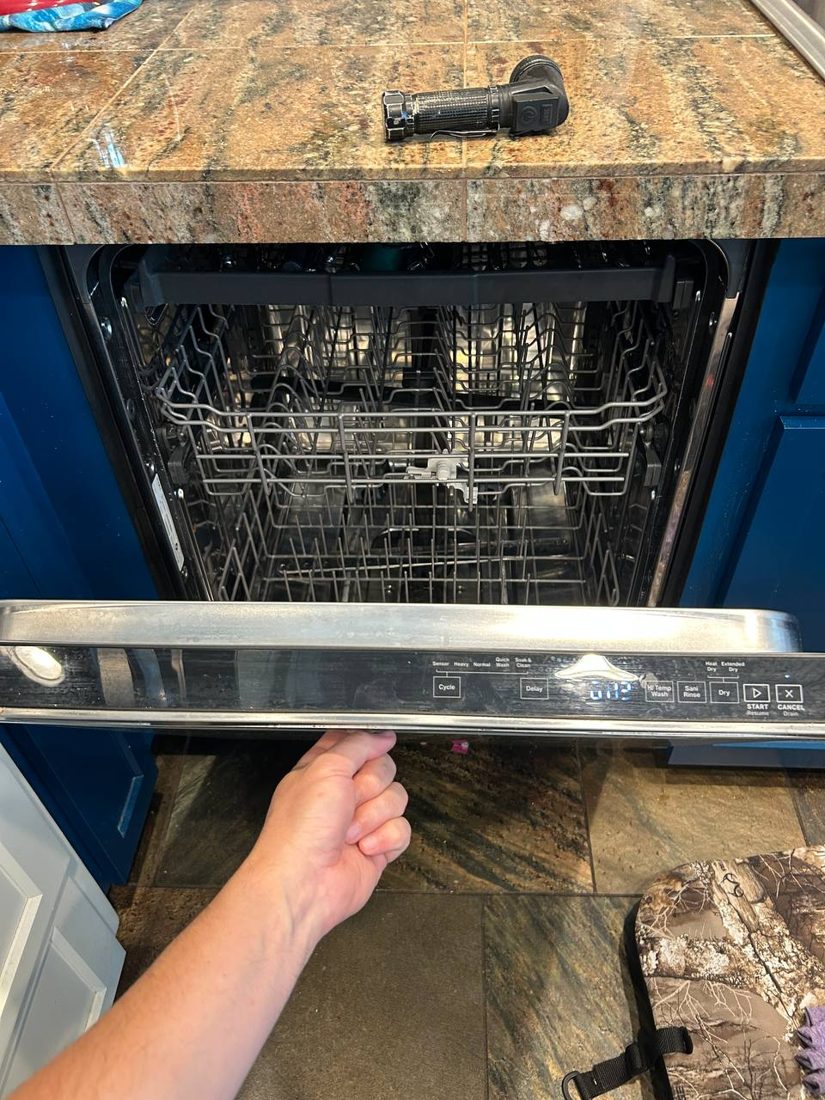
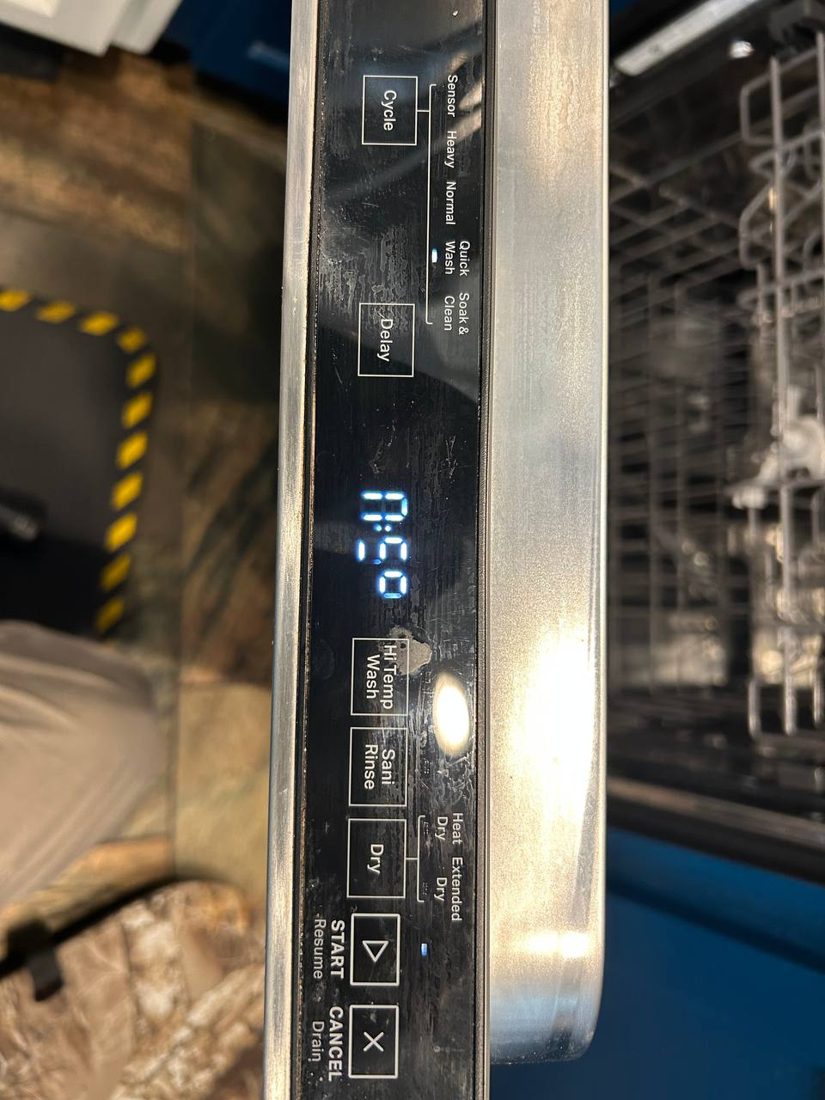
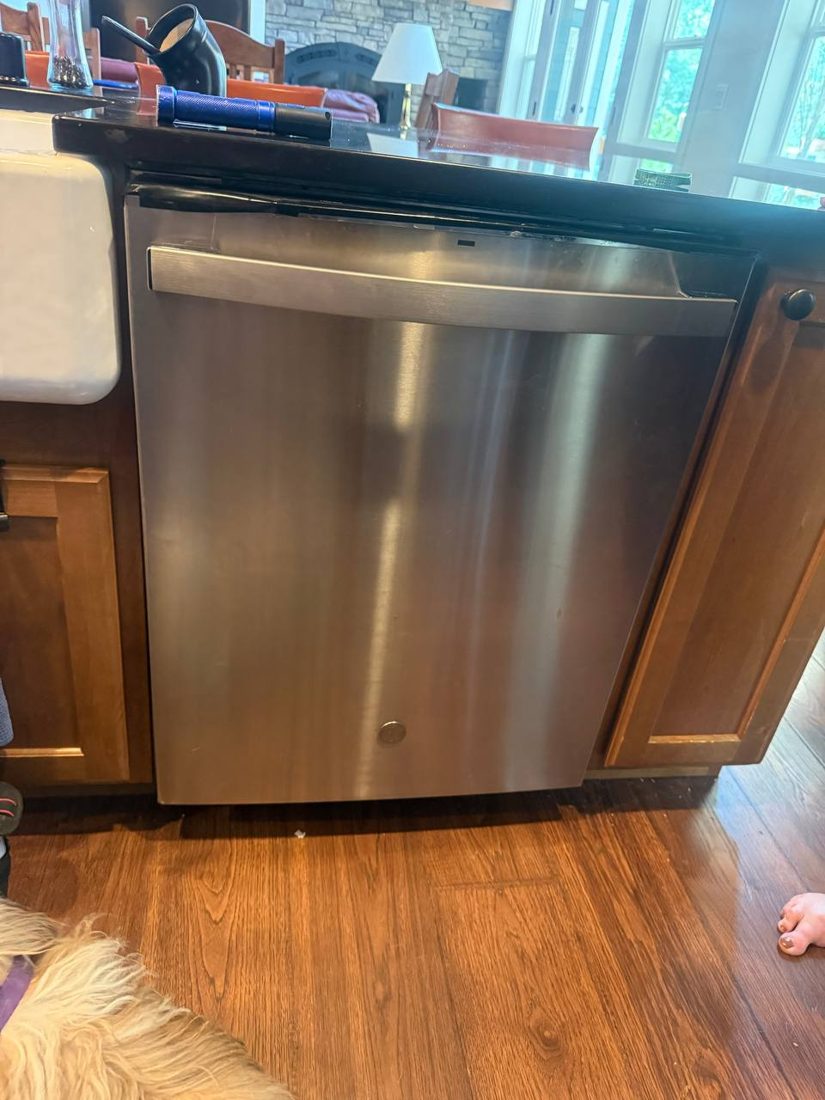
Inside a built-in unit — spray arm off, filter out, checking what the owner never sees.Wall oven controls going through their paces — locked panels are a monthly classic.Pedestal laundry pair waiting its turn — tight quarters, standard work.Door, latch and rack inspection on a kitchen built-in.Panel readout mid-diagnostic — the machine tells its side of the story.A Port Orchard kitchen stop — stainless front, tile floor, dog supervising off-frame.
Book a dryer repair visit
From-price confirmed before anything lands on the calendar, and code HOP20 takes $20 off the completed repair.