One from-price per appliance, covering the diagnostic and every minute of labor. One walk-away figure — $94 — if you stop at the finding. And a parts line that exists only when a real part does, priced in writing before it's installed.
Diagnostic + labor inside every from-price•Parts always a separate written line•$94 honest walk-away after diagnosis•Mon–Fri routes from East Bremerton
How to read it: a dryer cured by a cleared duct closes at $226 even — no parts, no padding. A dryer needing a $24 thermostat closes at $226 plus a $24 line you approved. Truly heavier jobs — a suspension teardown, sealed-loop work — get a fresh figure in writing before one more bolt moves.
The honest economics
Where the Money Actually Goes
Here's the piece of this trade nobody prints on their website. Roughly 35 repairs out of every hundred can't close on the first visit: the fault is confirmed, but the component has to be ordered from a distributor or picked up across the water — and that means a return appointment plus real hours behind the wheel, both directions, that you never see. Our from-price swallows all of it. The second trip is free by policy, the driving is our overhead by design, and the figure you signed off on is the figure you settle, one trip or two.
Worth naming, too, what kind of work this is. A good appliance technician carries wiring diagrams for a couple hundred machines in his head and spends the day reasoning from symptom to component with a meter — the thinking-heavy end of the home trades. Line these rates up against what other skilled trades bill for a Kitsap house call and appliance work still sits low on the list — despite packing more per-hour reasoning than most of them. We publish the numbers because we're comfortable with the comparison.
$20 OFFANY COMPLETED REPAIR
Code HOP20 — say it on the phone or let the form carry it for you.
Comes off the repair itself, not the $94 visit-only outcome. One per visit; doesn't stack with other offers. No expiration games — it's just the standing deal.
Because a blended number is where padding hides. Split lines keep the diagnosis honest — a cheap fault stays visibly cheap, and a real part shows its real price. It costs us extra paperwork and earns you cleaner math — a trade we'll take.
Can the from-price grow at the machine?
Only for genuinely larger labor, and only in writing before work proceeds. Needing a part never inflates it — components live on their own line by construction, which is rather the entire idea.
What exactly does $94 buy if I decline?
The trip, the complete diagnosis, and a written verdict: what failed, what fixing costs, and our honest advice — up to and including 'buy a new one.' People use that paper to shop, to negotiate, and occasionally to get a second opinion that agrees with it.
Do ordered parts cost extra labor?
No. Second trips happen on roughly a third of jobs, the business is built expecting them, and the number you approved is already final. The component goes in; the invoice mirrors the quote; everyone moves on.
How do I pay, and can my landlord?
We take cards, checks and cash when the work wraps. For rentals, billing routes to the approving owner or manager from the start, with identical paperwork in every mailbox.
Is the warranty an upsell?
There's nothing to buy — coverage for the component and the labor appears on every repair invoice automatically. The document in your hand is the coverage.
Our technicians
The Hands Behind the Callback
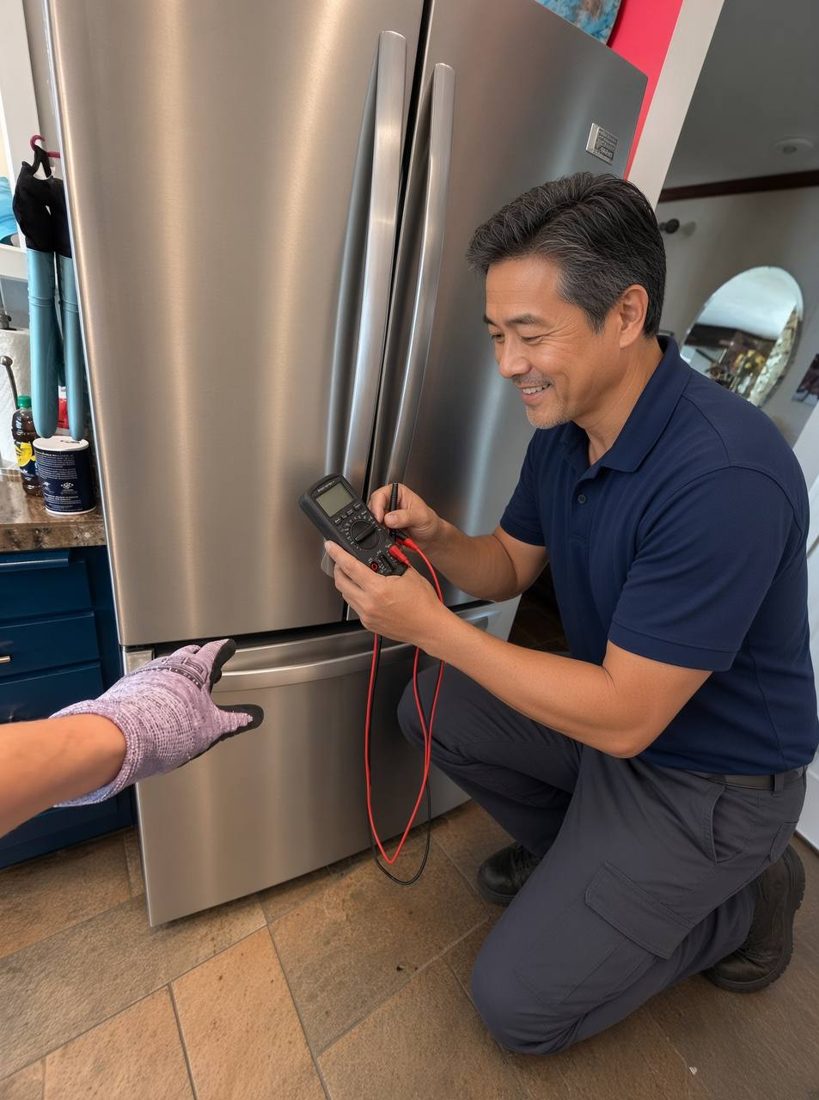
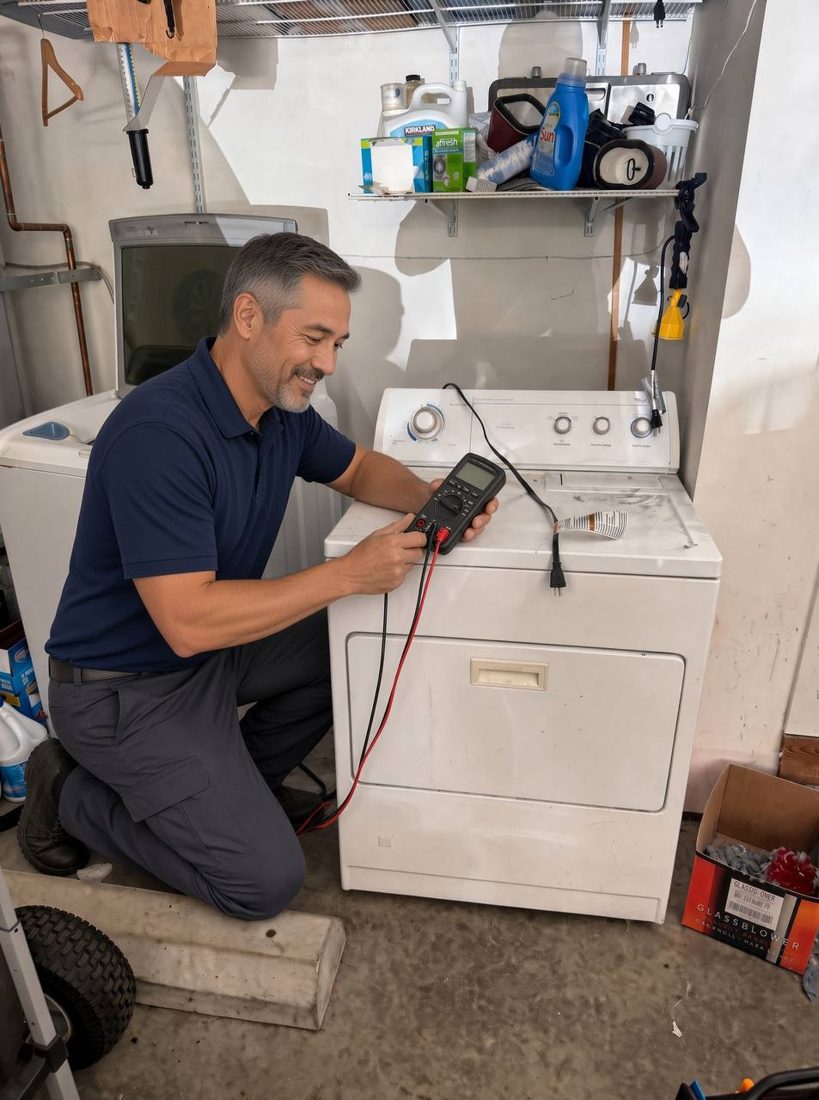
Meters first, opinions second. Two frames of the crew doing what the from-price actually pays for — measured diagnosis at the machine.
Refrigerator call — compressor circuit readings before any part gets named.Garage-laundry dryer, meter on the heater circuit — the classic central Kitsap house call.
From the routes
Snapshots Between Callbacks
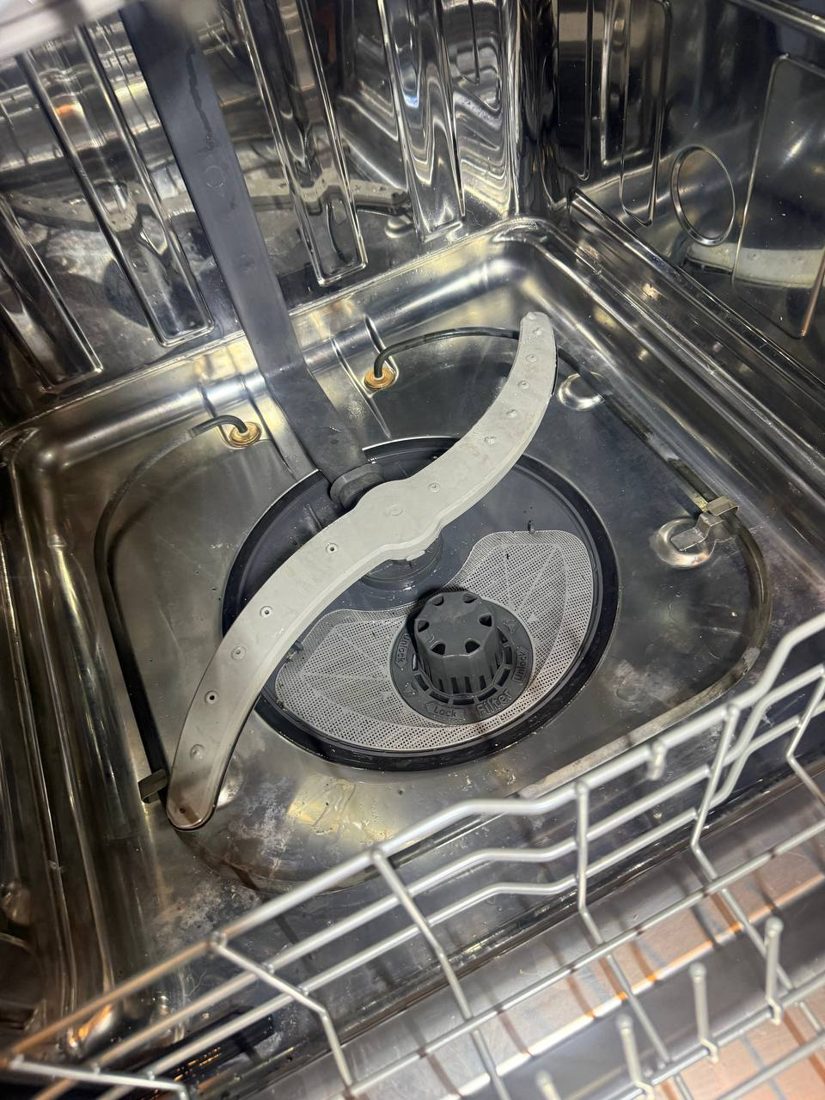
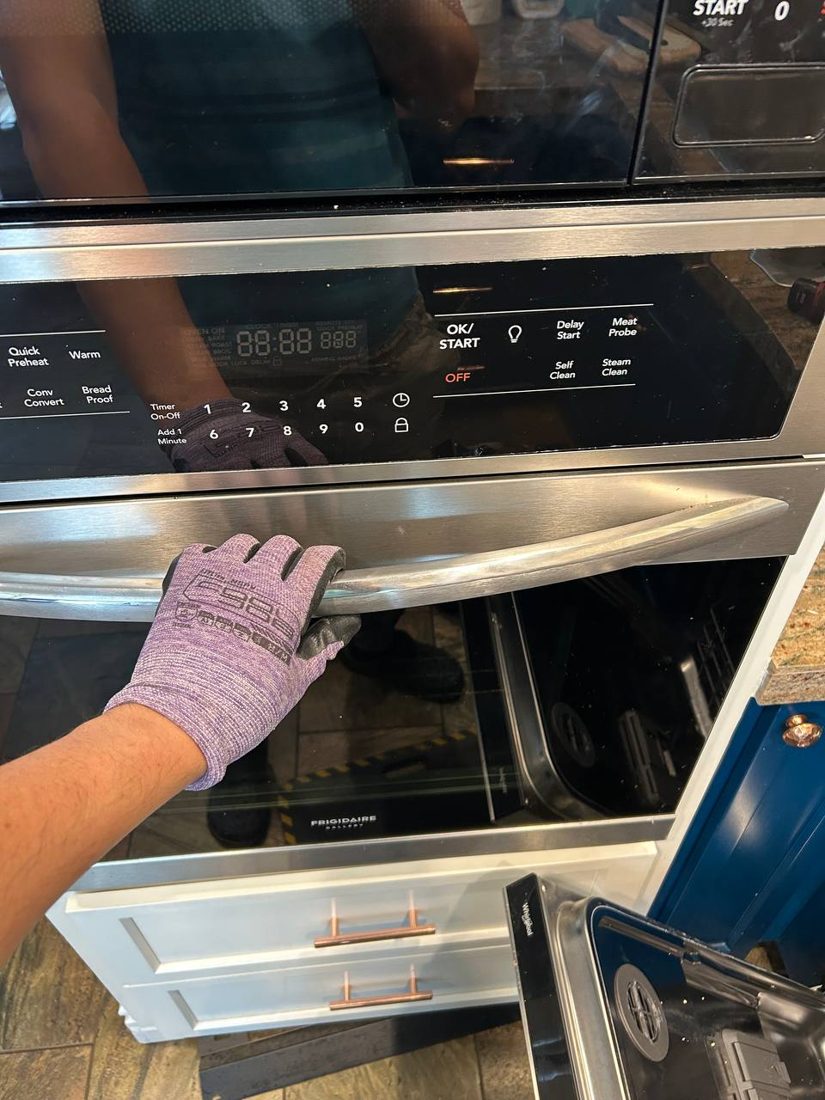
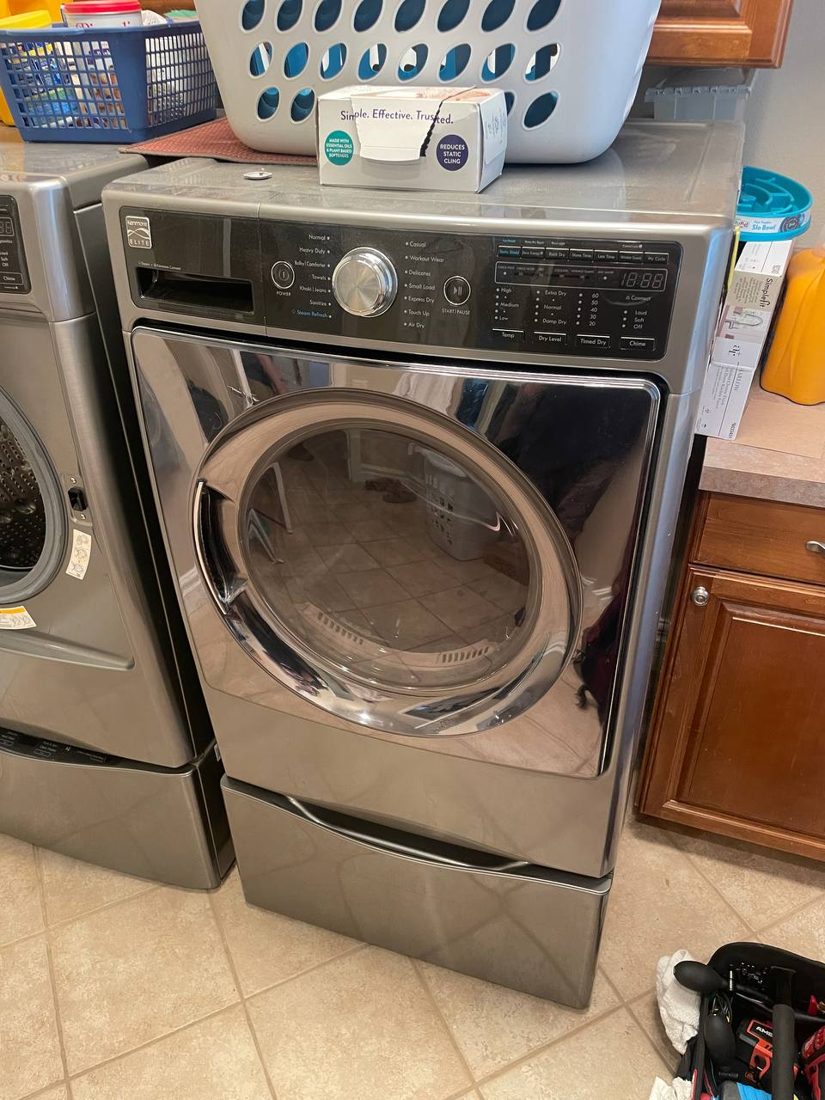
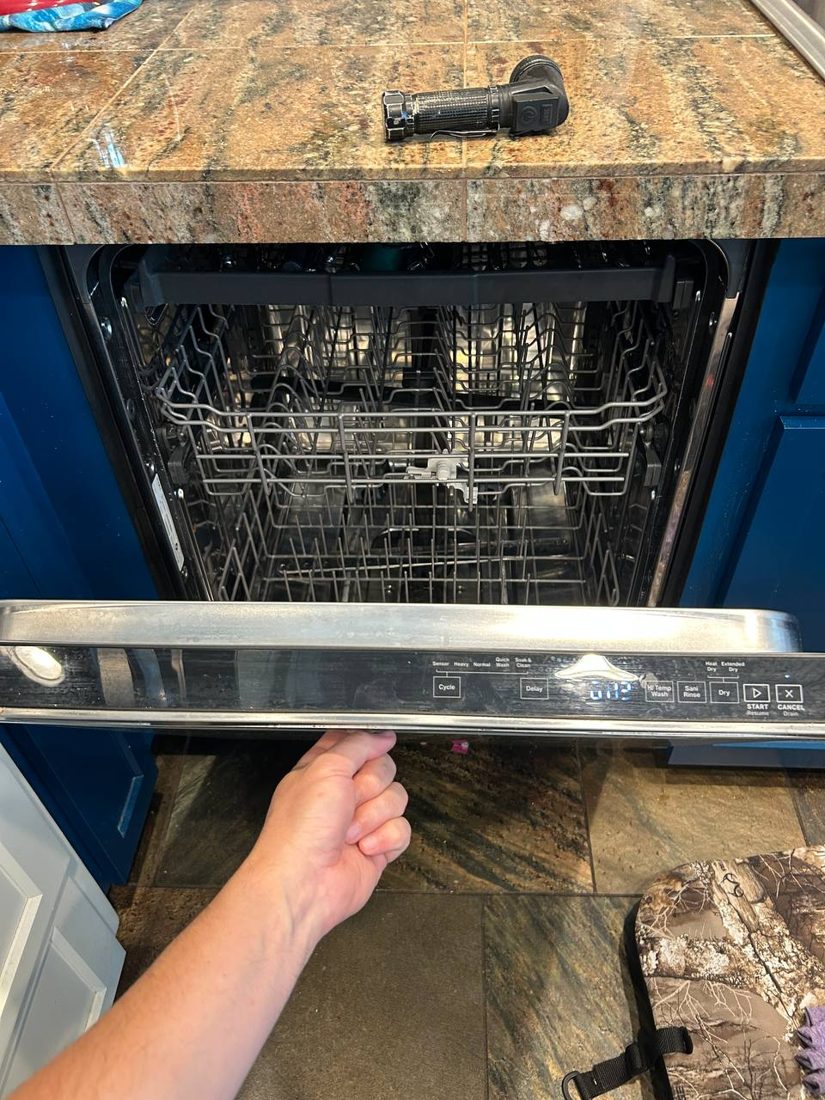
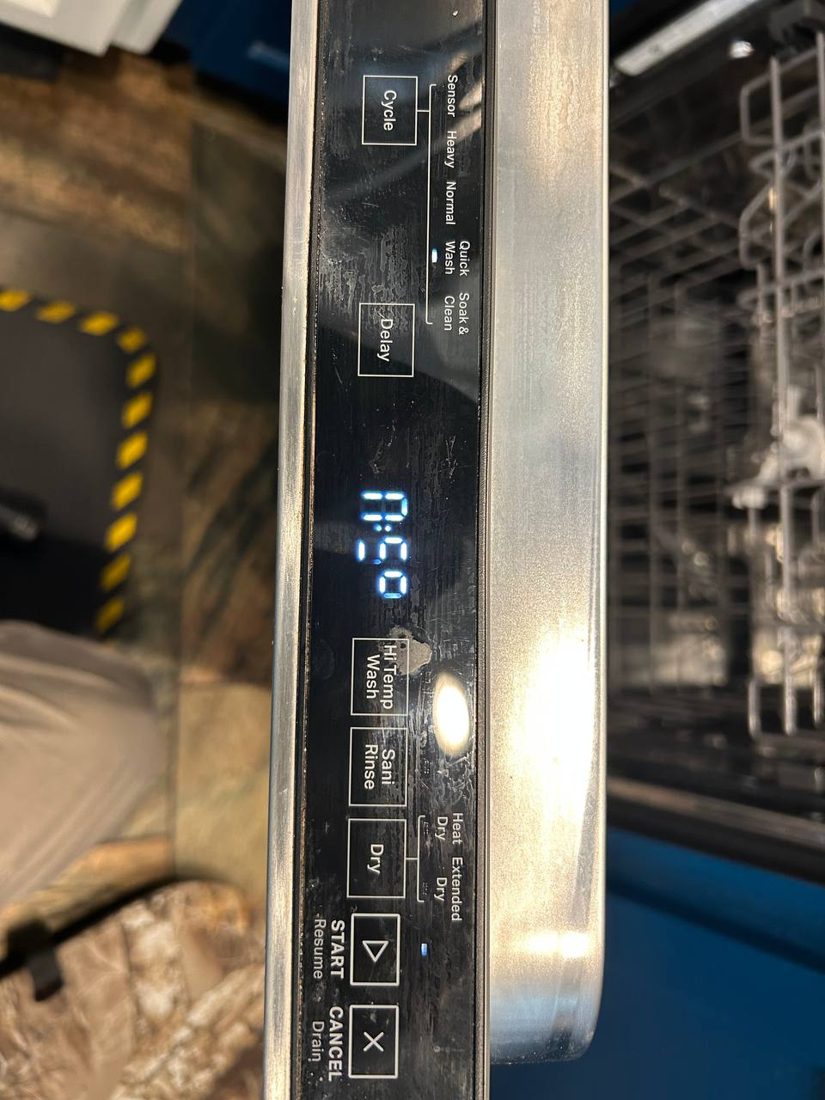
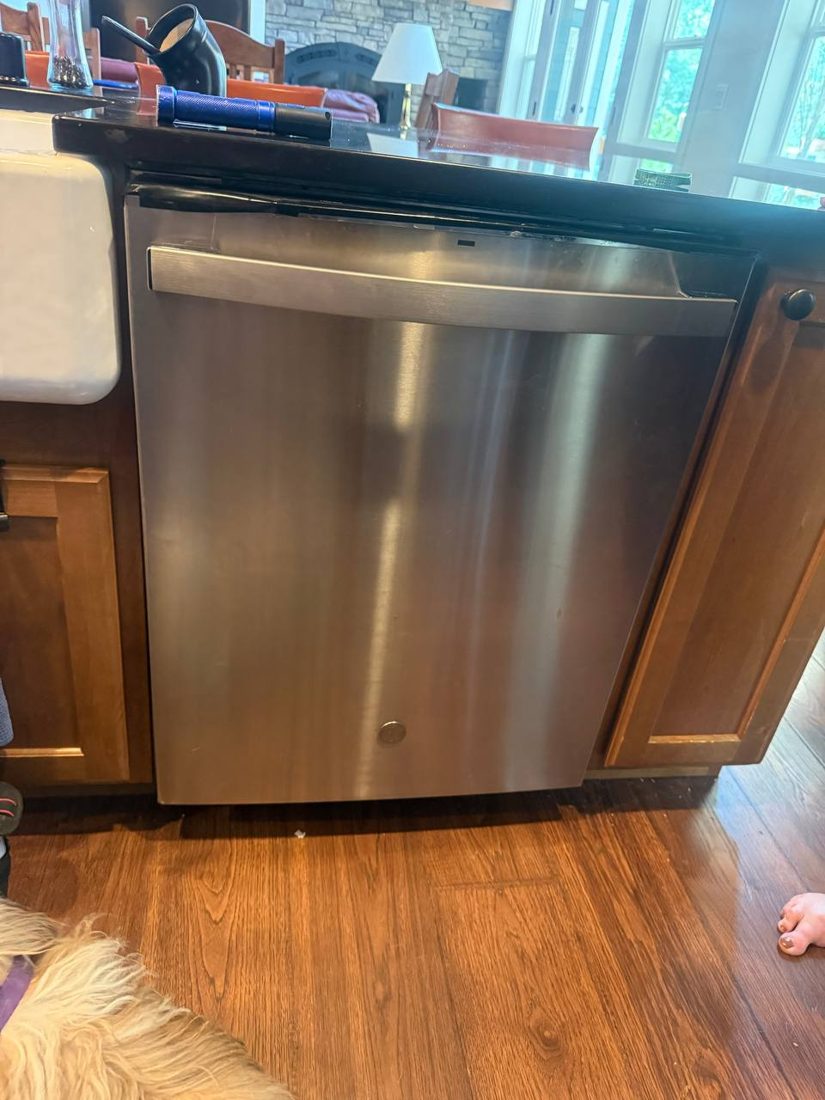
Inside a built-in unit — spray arm off, filter out, checking what the owner never sees.Wall oven controls going through their paces — locked panels are a monthly classic.Pedestal laundry pair waiting its turn — tight quarters, standard work.Door, latch and rack inspection on a kitchen built-in.Panel readout mid-diagnostic — the machine tells its side of the story.A Port Orchard kitchen stop — stainless front, tile floor, dog supervising off-frame.
Want your number said out loud?
Call or book below — the from-price for your machine is stated before anything lands on the calendar.